Vision:
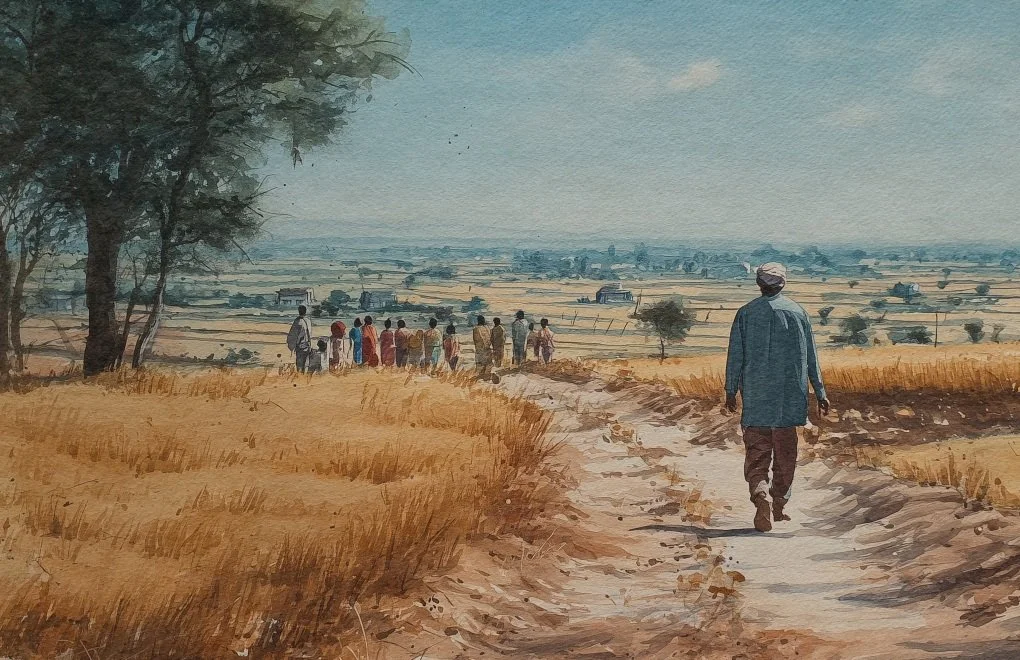
We envision the curation of community-based healing, meaning, and safety for Panjabi men who use or used substances, and every family member of theirs who has been affected.
Mission:
Our mission is to foster and promote healing and recovery for Panjabi families affected by substance use through inclusive, participatory research. In addition, we strive to transform policy, practice, and experience of care for these families.
Guiding Principles
-
An approach that aims to mitigate the effects of oppression, decenter whiteness, and equalize power imbalances that exist between people, ultimately engaging in practices that are respective, ethical, sympathetic, authentic, relationship based, and power sharing.
-
Recognizing the past, ongoing, and possible harms suffered by people affected by systemic and interpersonal oppression. In our context, this includes being mindful of:
Intergenerational trauma
Colonization
Patriarchy
Socio-political unrest (e.g. 1947 partition of India/
Pakistan, 1984 Sikh genocide etc.)
Immigration and migration
Acculturative Stress
Complex-PTSD in family of origin -
A framework used to design services for folks of Panjabi ancestry, Panjabi Centered Design (PCD) emphasizes the contemplation of factors such as intergenerational trauma, generational family structures, and language barriers in devising proactive solutions.’ One particular focus of PCD is the process of transcreation, in which English materials are not translated word for word into Panjabi, but rather, English terms and phrases are described in Panjabi, accounting for cultural narratives, norms, and histories of oppression.