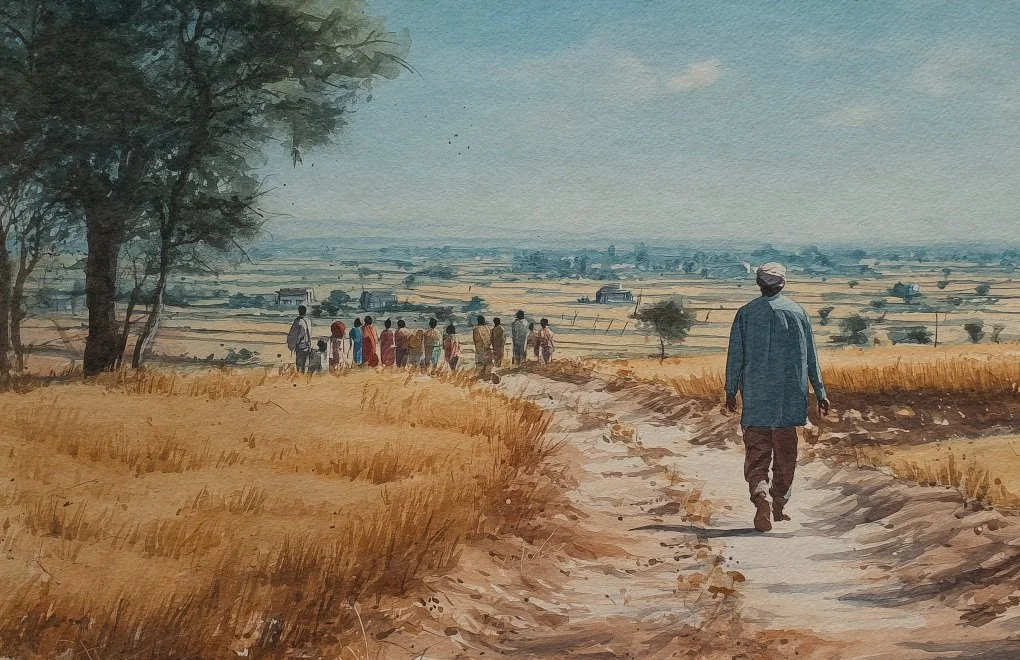
A ਰਾਹੀ (rahi) is a companion on a journey
Interested in joining the Rahi Care Program?
Interested in donating to the Rahi Care Program?
Rahi Research works to understand how to foster recovery and healing for immigrant Panjabi families who are affected by substance use. We study these questions using antiracist and anti-oppressive participatory research methods, centering the expertise of those with lived experience and intertwining Panjabi ways of seeing with modern scientific methods. Learn more.

We acknowledge that Rahi’s work is located on the traditional, unceded lands of the Coast Salish Peoples, including the Musqueam, Squamish, Tseil-Waututh, Matsqui, Kwantlen, Katzie, Semiahmoo, Kwikwetlem, and Tsawwassen First Nations. These communities have cared for this land for generations, even while facing harm and injustice. We aim to build respectful relationships, learn from their knowledge, and support the work of decolonization.
We also recognize the people who migrated from Panjab to Canada/Turtle Island—some seeking better opportunities, others escaping hardship and oppression. The Panjabi diaspora is diverse, and we honour the many different experiences of those with Panjabi heritage.
Finally, our research team is made up of racialized settlers with Panjabi roots. We know our views are influenced by the ongoing impacts of colonialism and white supremacy. Being truly antiracist means we must keep learning from and working alongside Black and Indigenous friends and colleagues, who have already done important work to describe how we can collaborate respectfully, support decolonization, and promote anti-racism.